A cancer diagnosis brings a flood of new terms, and radiation therapy is one that comes up for most patients at some point in their treatment journey. If your doctor has recommended radiation therapy, it’s natural to have questions about how the treatment works, how it targets cancer, and what you can expect before, during, and after each session and what your body will go through during and after treatment.
Radiation therapy is one of the most widely used cancer treatments worldwide, often working alongside surgery and chemotherapy to give patients the best possible outcome. This guide walks through what radiation therapy is, how it works inside the body, the different types available, and what to expect at each stage of the process.
What Is Radiation Therapy?
Radiation therapy uses carefully targeted high-energy radiation to damage cancer cells, preventing them from growing and multiplying. It is one of the three main pillars of cancer treatment, alongside surgery and chemotherapy, and doctors often combine it with these other approaches depending on the type and stage of cancer.
Unlike chemotherapy, which travels through the bloodstream and affects the whole body, radiation therapy is usually targeted at a specific area. This makes it especially useful when a tumour is confined to one location.
The Role of Radiation Therapy in Cancer Treatment
Radiation works by damaging the genetic material inside cancer cells. Once this material is damaged beyond repair, the cells stop dividing and eventually die off. Because cancer cells divide faster than most normal cells, they are generally more sensitive to this kind of damage.
Doctors use radiation therapy for several purposes:
- Shrinking a tumour before surgery
- Destroying remaining cancer cells after surgery
- Treating cancer as the main therapy on its own
- Easing symptoms in advanced cancer, such as pain or bleeding
When Radiation Therapy Is Recommended
Not every cancer patient needs radiation therapy. Your radiation oncologist will recommend it based on factors like the type of cancer, its size and location, whether it has spread, and your overall health.
It may be suggested as the primary treatment, as a supporting treatment around surgery, or as a way to manage symptoms when a cure is no longer the goal. Before recommending radiation therapy, each case is typically reviewed by a multidisciplinary tumour board comprising medical oncologists, radiation oncologists, surgeons, radiologists, and other specialists to develop the most appropriate treatment plan.
How Radiation Therapy Works
High-energy beams damage the DNA inside cancer cells, and the body’s own processes take care of the rest.
How Radiation Damages Cancer Cells
Every cell in the body relies on intact DNA to function and reproduce. When radiation passes through a cancer cell, it breaks strands of this DNA either directly or by creating charged particles that damage it indirectly.
Cancer cells struggle to repair this damage compared to healthy cells. Over repeated sessions, enough damage builds up that the cancer cells can no longer divide, and they die. This is also why radiation therapy is usually given in multiple small doses over several weeks rather than one large dose; it gives healthy tissue time to recover between sessions while the cumulative effect on cancer cells keeps building.
How Healthy Cells Are Protected During Treatment
Some radiation does reach healthy tissue near the tumour, but modern radiation oncology is built around minimising this exposure. Treatment teams use detailed imaging to map the exact size, shape, and position of a tumour before a single session begins.
Advanced planning software then shapes the radiation beams to match the tumour as closely as possible, sparing surrounding organs and tissue. Advanced techniques such as breath-hold methods for certain chest and lung cancers, along with customised positioning devices, help improve treatment accuracy while reducing radiation exposure to nearby healthy tissues.
Types of Radiation Therapy
Radiation therapy isn’t a single, fixed procedure. Oncologists choose from several delivery methods based on the tumour’s location, size, and how deep it sits in the body.
External Beam Radiation Therapy (EBRT)
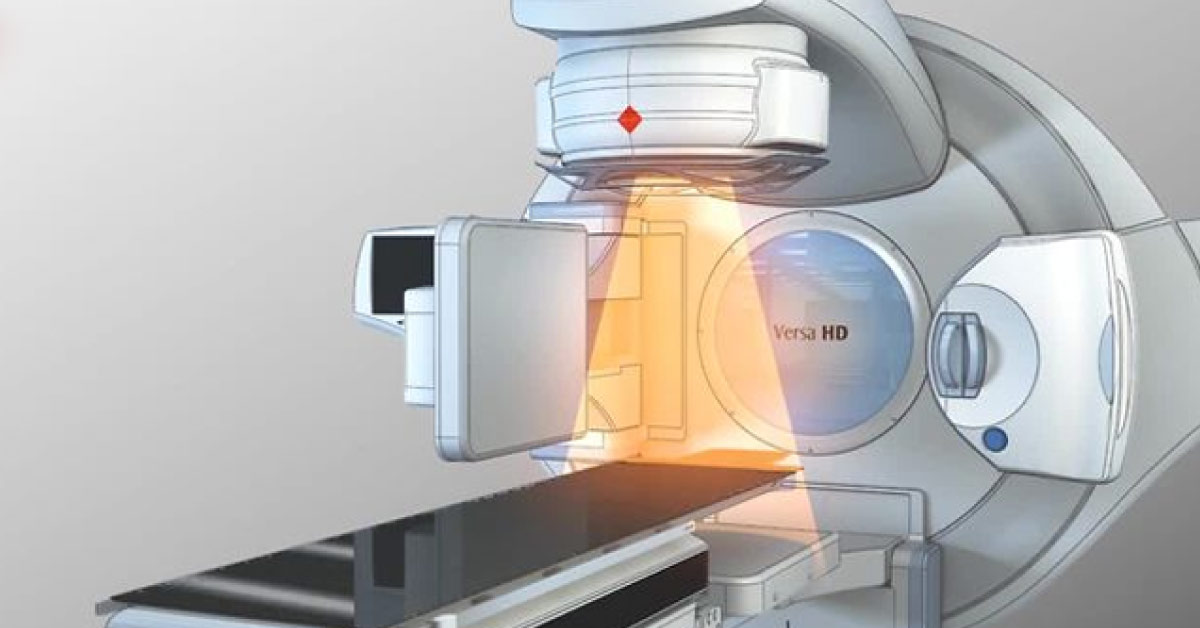
External beam radiation therapy (EBRT) is the most widely used type of radiation therapy for treating cancer. A machine outside the body, usually a linear accelerator, directs radiation beams at the tumour from different angles.
Sessions are typically quick, often 10 to 30 minutes including setup, and are usually given five days a week over several weeks. Radiation therapy does not cause pain while it is being delivered. Similar to an X-ray, you will lie still as the machine moves around you to precisely target the treatment area.
Internal Radiation Therapy (Brachytherapy)
Brachytherapy places a radioactive source directly inside or very close to the tumour. This allows a higher dose of radiation to reach the cancer while limiting exposure to nearby healthy tissue.
It’s commonly used for cancers of the cervix, prostate, and breast. Depending on the treatment plan, the radioactive source may be placed in the body for a short period during one or more sessions or implanted as a low-dose source that gradually loses its radioactivity over time.
Advanced Radiation Therapy Techniques (IMRT, IGRT, SRS, SBRT)
Newer radiation techniques have made treatment more precise than ever:
- IMRT (Intensity-Modulated Radiation Therapy): Adjusts the intensity of radiation beams across different parts of the tumour, allowing for a closer fit around irregular shapes.
- IGRT (Image-Guided Radiation Therapy): IGRT uses imaging before or during each treatment session to verify the tumour’s exact location, allowing adjustments for small movements caused by breathing or changes in body position.
- SRS (Stereotactic Radiosurgery): Delivers a very high dose of radiation to small brain tumours in one to five sessions, without an actual surgical incision.
- SBRT (Stereotactic Body Radiation Therapy): Applies the same high-precision, high-dose approach as SRS but for tumours in the body, such as the lung or liver.
These techniques allow oncologists to treat tumours that were once considered difficult to reach safely.
Conditions That Can Be Treated with Radiation Therapy
Radiation therapy plays a role in treating a wide range of cancers, and its use continues to expand as technology improves.
Common Cancers Treated with Radiation Therapy
Radiation is frequently used for breast, prostate, lung, head and neck, cervical, and brain cancers. It’s also used for certain blood cancers, skin cancers, and cancers of the gastrointestinal tract. In some cases, it’s even used for select non-cancerous conditions, such as certain benign tumours.
Radiation Therapy as a Primary, Adjuvant, or Palliative Treatment
Radiation can serve different roles depending on the treatment goal:
- Primary treatment: Used on its own to try to cure the cancer, often for cancers that are hard to remove surgically.
- Adjuvant treatment: Given after surgery to destroy any remaining cancer cells and lower the risk of recurrence.
- Neoadjuvant treatment: Given before surgery to shrink a tumour and make it easier to remove.
- Palliative treatment: Used to relieve symptoms like pain, bleeding, or difficulty swallowing when a cure isn’t the goal.
Radiation Therapy Procedure: What to Expect
Knowing what happens at each stage can make the entire radiation therapy procedure feel far less intimidating.
Treatment Planning and Simulation
Before treatment starts, you’ll go through a planning session called simulation. This usually involves a CT scan in the exact position you’ll be treated in, so the team can map the tumour’s location precisely.
You may be fitted with a custom mask or mould, especially for head, neck, or brain treatments, to keep you perfectly still during each session. Small, semi-permanent skin marks or tattoos, often just tiny dots, may be placed to help the team line up the machine accurately every time.
During a Radiation Therapy Session
On the day of treatment, you’ll be positioned on the treatment table using the marks or mask from your planning session. The radiation therapist will step out of the room and monitor you through a camera and intercom while the machine delivers the radiation.
You won’t feel the radiation itself, and the machine may rotate around you without touching your body. Most sessions last only a few minutes once you’re in position, though the whole appointment, including setup, may take longer.
After Each Treatment Session
You can typically go home right after each session and resume normal activities, since external beam radiation doesn’t make you radioactive. Some fatigue may build up gradually over the course of treatment, so pacing yourself across the weeks matters more than any single day.
Your care team will check in regularly to track side effects and adjust supportive care as needed.
Radiation Therapy Side Effects
Side effects vary widely based on the treatment area, dose, and individual factors, but understanding the common ones can help you prepare.
Common Short-Term Side Effects
Most short-term side effects appear gradually during treatment and improve within weeks of finishing:
- Fatigue that builds up over the treatment course
- Skin changes in the treated area, such as redness, dryness, or peeling
- Hair loss limited to the treated area, not the entire body
- Site-specific effects, like a sore throat for neck treatment or nausea for abdominal treatment
Possible Long-Term Side Effects
Some effects can take months or even years to appear, and they depend heavily on which part of the body was treated:
- Changes in skin texture or colour in the treated area
- Reduced function in nearby organs, depending on location
- Fertility changes if reproductive organs were in the treatment field
- A small increased risk of a second cancer developing later in life
Your radiation oncologist will discuss the specific risks relevant to your treatment plan before you begin.
Tips for Managing Side Effects
A few practical habits can make a real difference during treatment:
- Keep treated skin clean and moisturised with products your care team approves
- Rest when fatigue sets in, but stay lightly active where possible
- Eat small, frequent meals if appetite or digestion is affected
- Report new or worsening symptoms promptly rather than waiting for your next appointment
Radiation Therapy vs. Chemotherapy
Radiation therapy and chemotherapy both aim to destroy cancer cells, but they work in very different ways. Radiation targets a specific area of the body with high-energy beams, while chemotherapy uses drugs that travel through the bloodstream to reach cancer cells anywhere in the body.
This difference in reach shapes when each is used. Radiation is generally preferred for localised tumours that haven’t spread, while chemotherapy is better suited for cancers that have spread or carry a high risk of spreading. Side effect patterns also differ: radiation mainly affects the treated area, while chemotherapy’s effects tend to be more widespread, such as nausea or lowered blood counts.
Many treatment plans use both. Chemotherapy may run before or after radiation, or the two may be given together in a combined approach called chemoradiation, which can make cancer cells more sensitive to radiation.
Benefits of Radiation Therapy
Radiation therapy has become a cornerstone of cancer care because it offers a level of precision and reliability that continues to improve with each new generation of technology.
Precision and Effectiveness
Modern radiation techniques can target tumours with millimetre-level accuracy, which means higher doses can often be delivered directly to the cancer while reducing exposure elsewhere. This precision has improved cure rates for many cancers and expanded the situations where radiation can be used safely.
Preserving Healthy Tissue with Modern Technology
Advances like IMRT, IGRT, and stereotactic techniques have significantly reduced damage to surrounding healthy tissue compared to older radiation methods. This means fewer side effects, faster recovery for many patients, and the ability to treat tumours located close to sensitive organs that would have been considered too risky in the past.
Recovery After Radiation Therapy
Recovery from radiation therapy is usually gradual rather than immediate, and it looks different for every patient depending on the treatment area and overall health.
Recovery Timeline
Many short-term side effects, such as skin irritation and fatigue, start improving within two to four weeks after treatment ends. Energy levels often take longer to fully return, sometimes several weeks to a few months, depending on the extent of treatment.
Some effects, particularly in areas like the pelvis, chest, or head and neck, may take longer to settle and should be discussed with your care team so you know what’s expected versus what needs attention.
Follow-Up Care and Monitoring
After treatment ends, regular follow-up appointments are essential. These visits typically include physical exams, imaging, or blood tests to monitor for recurrence and manage any lingering side effects.
Your oncology team will also guide you on lifestyle adjustments, such as skin care for the treated area or nutrition support, to help your body recover fully.
Why Choose Cytecare Hospitals for Radiation Therapy?
Choosing where to receive radiation therapy matters just as much as the treatment plan itself, since outcomes depend heavily on precision, coordination, and experience.
Advanced Radiation Oncology Technology
Cytecare Hospitals uses advanced radiation oncology technology designed to deliver precise, image-guided treatment while protecting healthy tissue. This focus on accuracy supports both treatment effectiveness and a more manageable side effect profile for patients.
Multidisciplinary Cancer Care and Personalised Treatment Plans
At Cytecare, radiation oncologists work alongside surgical oncologists, medical oncologists, and support specialists to build a treatment plan around each patient’s specific cancer type, stage, and overall health. This multidisciplinary approach ensures that radiation therapy is coordinated with any other treatments you may need, rather than delivered in isolation.
Frequently Asked Questions
1. Is radiation therapy painful?
No, radiation therapy itself is painless during the session, similar to having an X-ray taken. Some side effects, like skin irritation, may develop over the course of treatment, but the actual delivery of radiation isn’t felt.
2. How long does radiation therapy take?
Each session typically lasts a few minutes, though appointments, including setup, may run 15 to 30 minutes. A full course usually spans several weeks, depending on the cancer type and treatment goal, with sessions often scheduled five days a week.
3. Is radiation therapy safe?
Radiation therapy is generally safe when planned and delivered by a qualified radiation oncology team. Modern imaging and planning techniques are designed to protect healthy tissue while targeting the tumour accurately.
4. Can radiation therapy cure cancer?
Radiation therapy can cure certain cancers, particularly when the disease is caught early and hasn’t spread. In other cases, it’s used alongside surgery or chemotherapy to improve overall outcomes or to manage symptoms when a cure isn’t the goal.
5. What should I expect during my first radiation therapy session?
Your first session usually follows a planning appointment where the treatment area is mapped out. You’ll be positioned carefully using marks or a mask from that planning session, and the radiation team will step out to operate the machine remotely while monitoring you throughout.
Conclusion
Radiation therapy has evolved into a precise, well-understood tool in cancer care, capable of targeting tumours while protecting the healthy tissue around them. Whether it’s used as the main treatment, alongside surgery, or to manage symptoms, understanding how it works can make the process feel far more manageable.
If you or a loved one has been advised to consider radiation therapy, speak with a qualified radiation oncologist to understand how it fits into your specific treatment plan. At Cytecare Hospitals, our multidisciplinary oncology team is available to guide you through every step, from initial planning to long-term follow-up care.
Disclaimer: This article is intended for general information and should not be used as a substitute for professional medical advice. Please consult a qualified specialist for any health concerns.